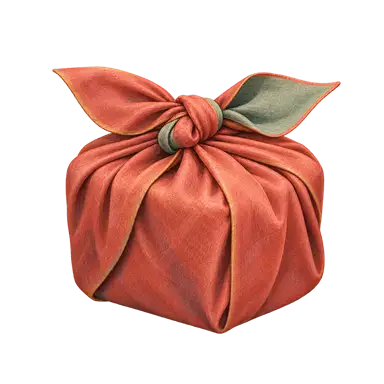
Bojagi wrapping cloth
South Korea
Carefully wrapped blessings and thoughtful care.
In gifts: Small Graces
🎁 Order by Nov 24 for estimated delivery before Dec 24 · free US shipping on every order
🎁 Order by Jan 8 for estimated delivery before Lunar New Year (Feb 6) · free US shipping on every order

SYMBOL GUIDE
136 symbols that people in different cultures use to express care, gratitude & remembrance: where each comes from, what it is documented to mean, and a source you can check.
Jump to: East Asia (10) · South & Southeast Asia (2) · Middle East & Central Asia (3) · Africa (17) · Europe (17) · The Americas & Caribbean (7) · Oceania & the Pacific (5) · Shared across cultures & nature (75)
South Korea
Carefully wrapped blessings and thoughtful care.
In gifts: Small Graces
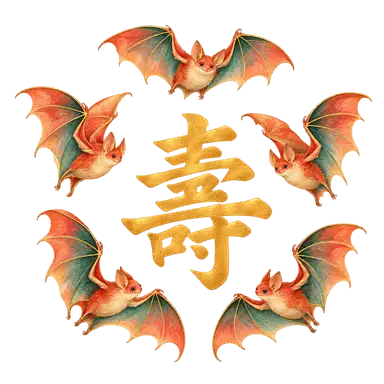
China
Wishes for blessings, longevity, health and a good life.
In gifts: Growing Light
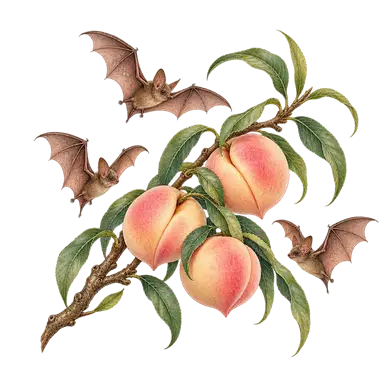
China
Blessings and happiness together with longevity.
In gifts: A Brighter Year
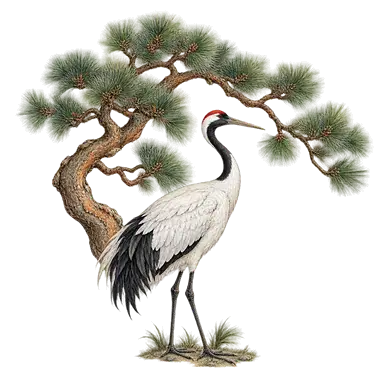
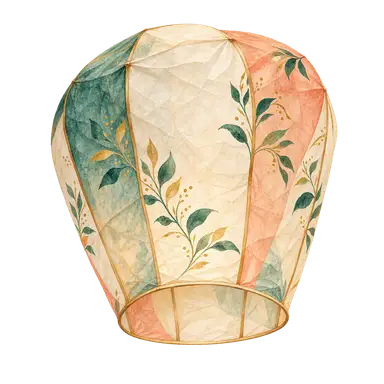
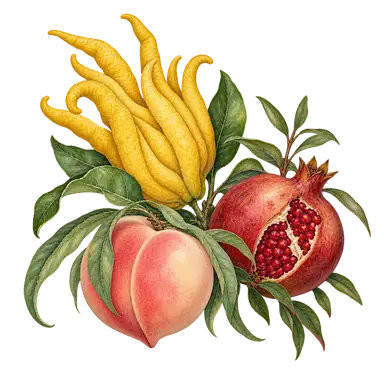
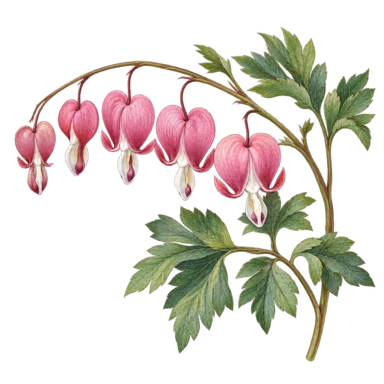
East Asian-origin ornamental; widely cultivated
Modern editorial interpretation: A contemporary carrier for affection that allows vulnerability.
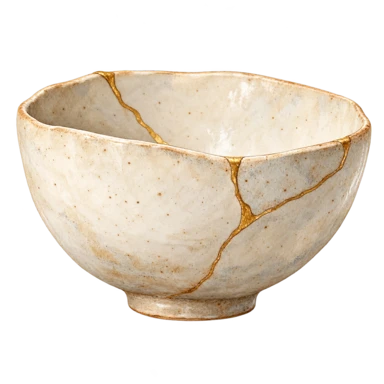
Japan · ceramic repair
Modern editorial interpretation: What you care for can continue in a changed form.
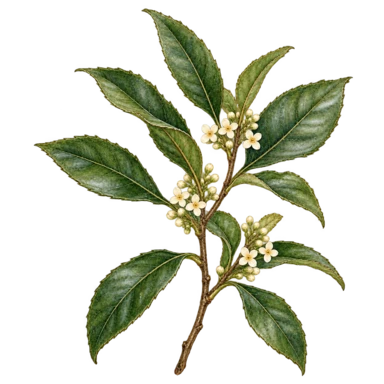
Himalaya to China, Indochina and southern Japan; cultivated elsewhere
Kew documents long cultivation in China and the use of osmanthus flowers to flavor tea, wine and sweets. This is a verified cultural-use context, not a universal emotional code.

Thailand
Thai cultural identity; white elephants have distinct royal and religious associations.
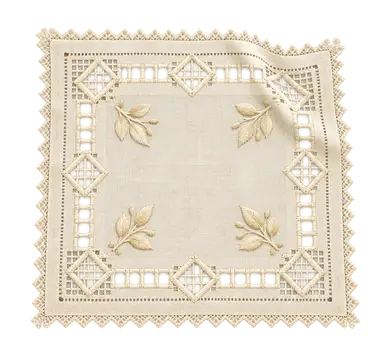
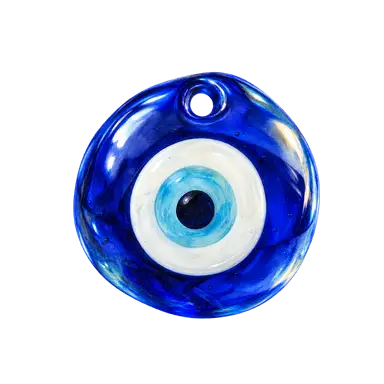
Cyprus
Careful craftsmanship, local identity and continuity.
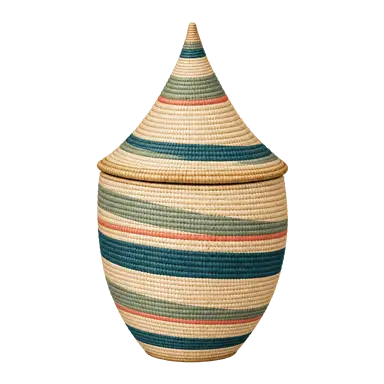
Rwanda
Gift giving and, in contemporary accounts, peace through working together.
In gifts: Small Graces
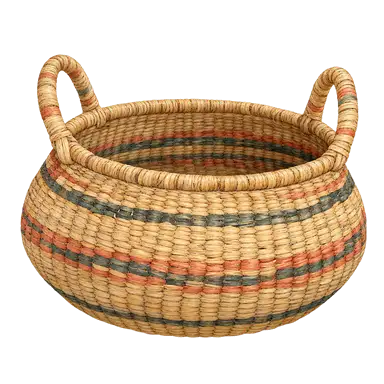
Djibouti
A documented local women’s craft and livelihood practice; fixed meanings for individual woven patterns are not supplied.
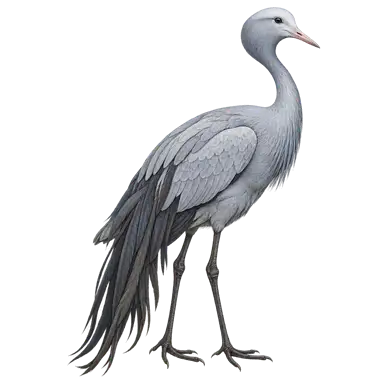
South Africa
South African national identity, with a specifically documented amaXhosa tradition of honoring meritorious conduct.
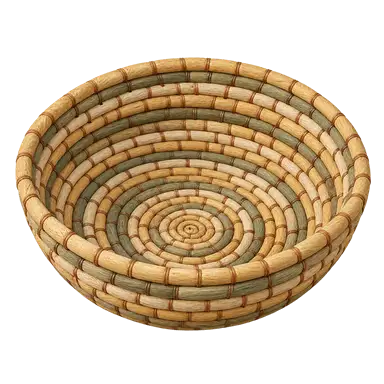
Botswana
Basket-making skills and everyday uses are documented; shared traditional meanings for all geometric patterns are not.
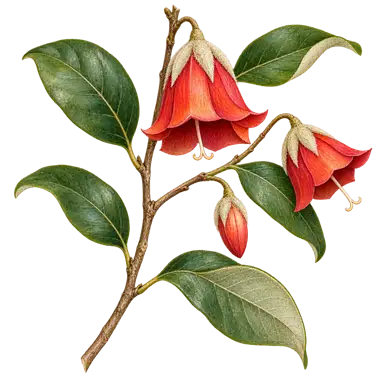
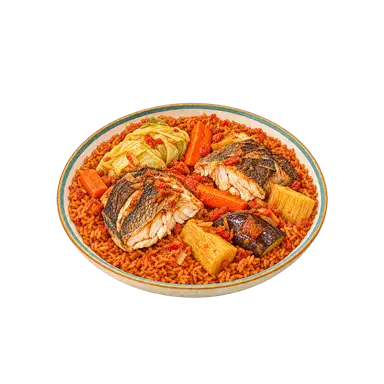
Senegal
Senegalese identity expressed through fish and rice and the practices around sharing it.
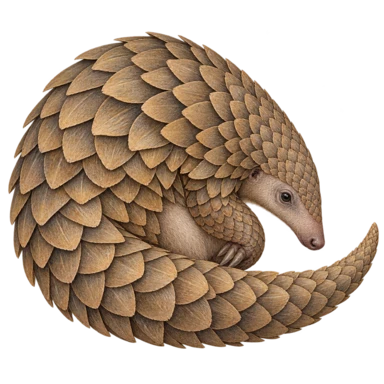
African and Asian ranges; species-dependent
Modern editorial interpretation: An editorial image of setting a boundary while remaining a living, vulnerable being.
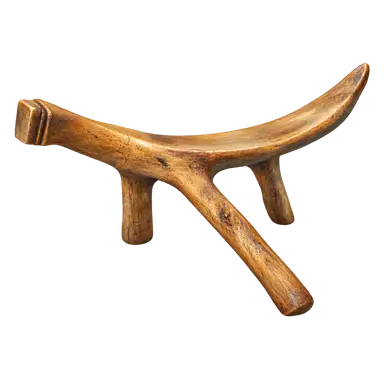
South Sudan
A documented wooden headrest; no national or fixed spiritual meaning has been established.
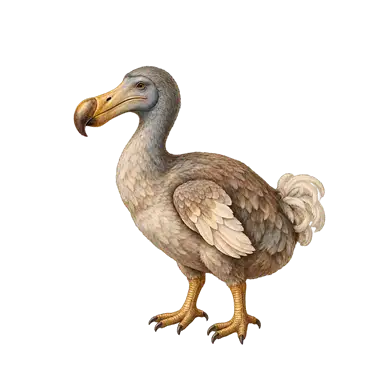
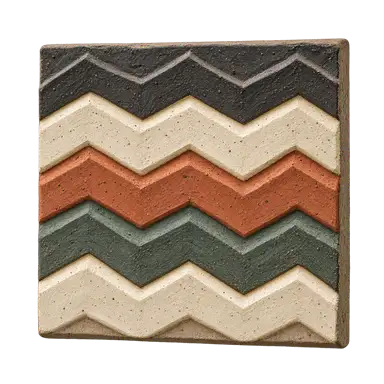
Rwanda
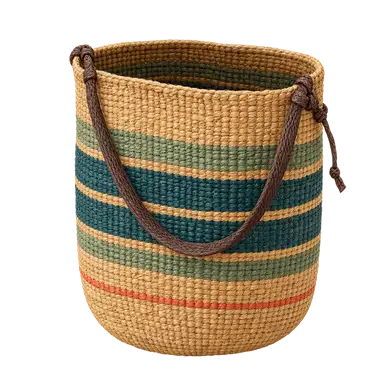
A locally rooted geometric art and a form of contemporary identity expression.
Ghana
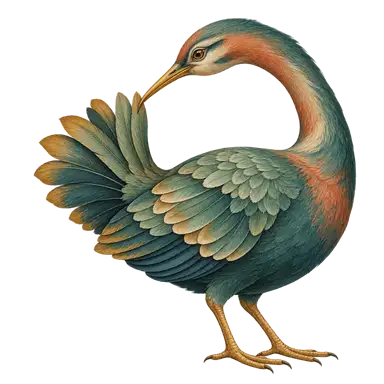
The Sankofa idea values returning to retrieve what has been forgotten and learning from history; it has more than one traditional visual form.
Tunisia
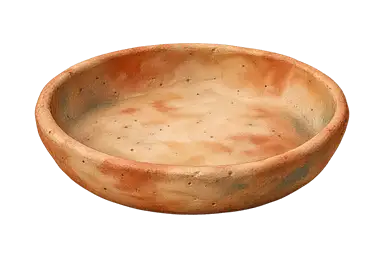
Women's skills, family collaboration and innovation responding to contemporary needs.
Zambia
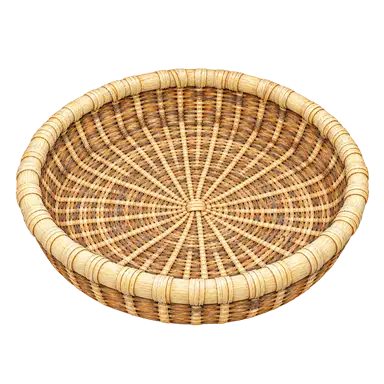
Intergenerational craft knowledge connected with women's lives and local stories.
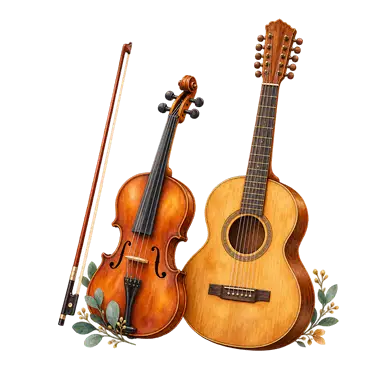
Cabo Verde
Lyrics explore love, separation, reunion, longing, the sea and home; individual works carry different emotions.
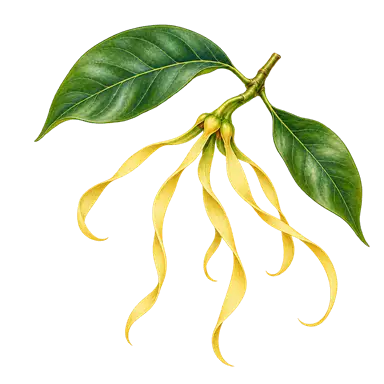
Comoros
Ylang-ylang is documented as an important Comorian export industry, not as a verified legal national flower or universally shared traditional emotion symbol.
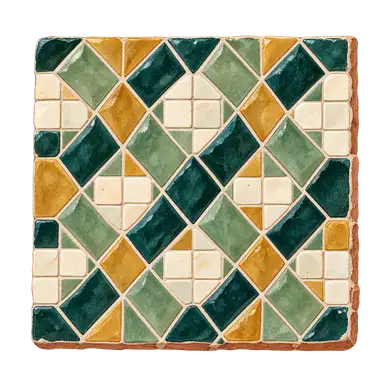
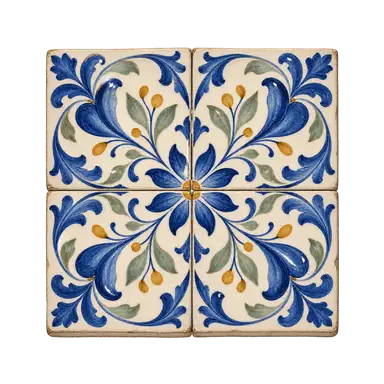
Portugal
Local memory, storytelling and art in everyday spaces.
In gifts: Rooted Here
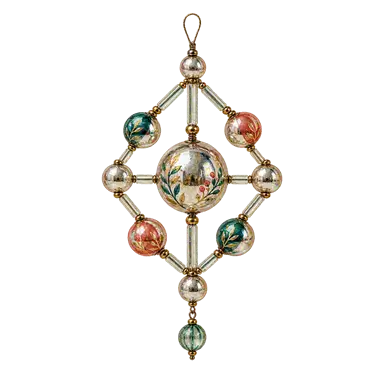
Czechia
Festive gathering, family craftsmanship and connections across generations.
In gifts: Gathered Branches
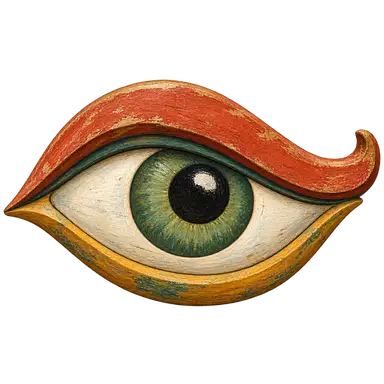
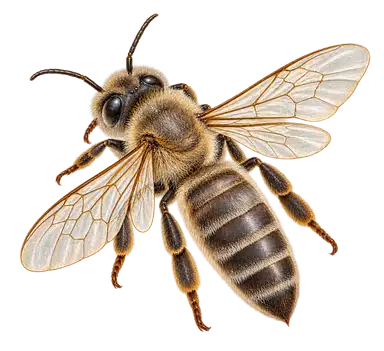
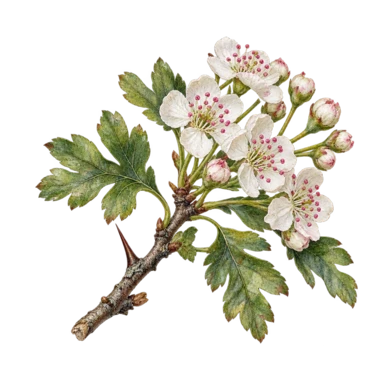
Europe, North Africa and southwestern Asia
The Shakespeare Birthplace Trust discusses As You Like It, in which Orlando hangs poems for Rosalind on hawthorns. This supports a bounded literary association with expressed love.
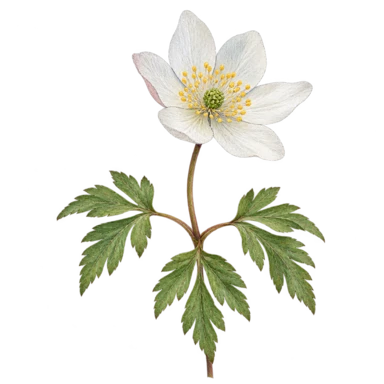
Native from Europe to the western Caucasus; woodland settings
Modern editorial interpretation: An editorial image of a place retaining traces of its earlier life.
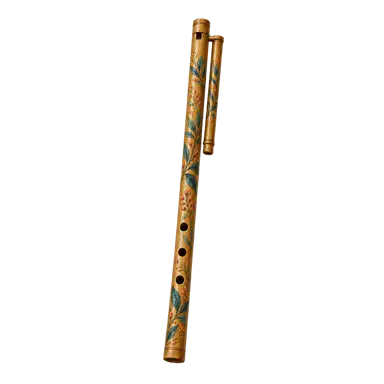
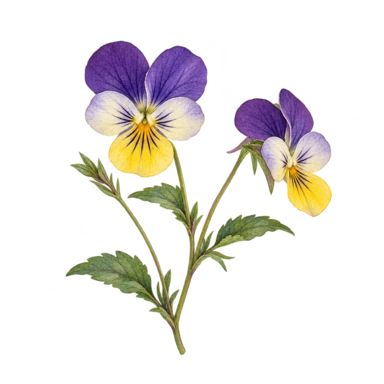
Native from Europe to southwestern Siberia and northwestern Iran; also cultivated
In Hamlet, Ophelia associates pansies with thoughts. The Shakespeare Birthplace Trust links the flower’s name to French pensée, meaning thought; this is a specifically literary association.
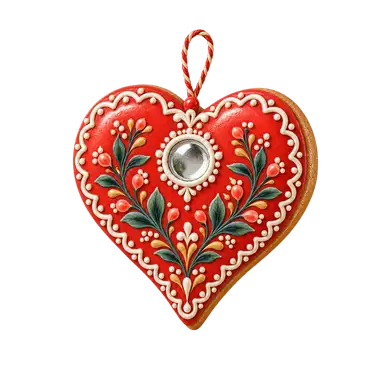
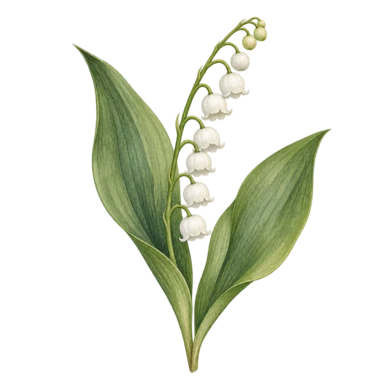
Native from Europe to the Caucasus; also cultivated; French May Day gifting context
French public broadcaster archive INA documents the May 1 custom of giving a sprig of muguet to loved ones, including archival footage of ceremonial gifting.
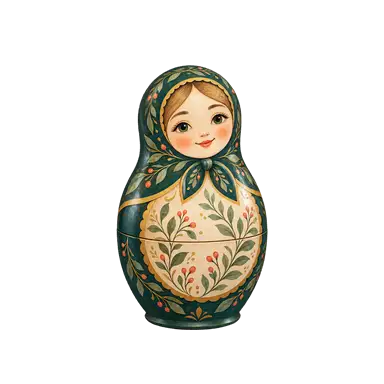
Russia
Local and personal identity; a layered self is an optional modern interpretation.
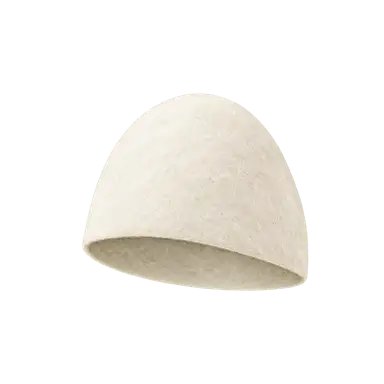
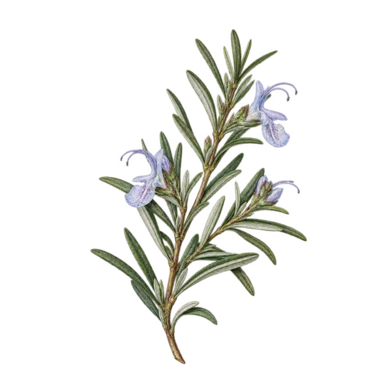
Mediterranean origin; widely cultivated
Folger Shakespeare Library records rosemary as a sign of remembrance, friendship and fidelity in Shakespeare’s England, including wedding and funeral use.
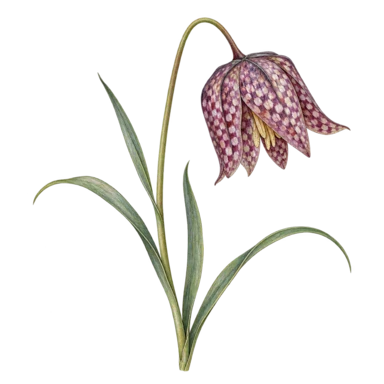
European meadow habitats and cultivation
Modern editorial interpretation: A modern celebration of detail that rewards a closer look.
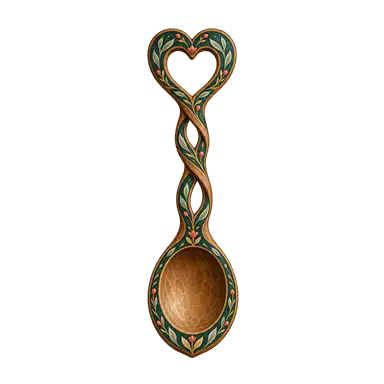
United Kingdom
Care, loyalty and personal affection, with multiple possible readings of individual motifs.
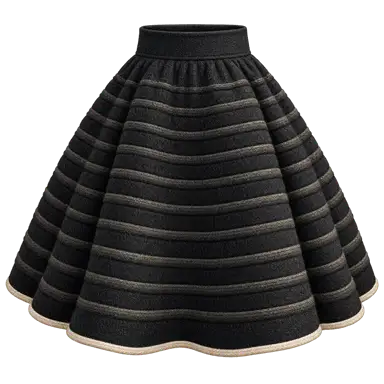
Albania
Highland belonging and continuity across generations, with meanings that are not shared uniformly nationwide.
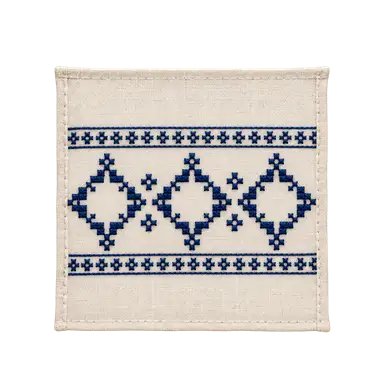
Bosnia and Herzegovina
Local identity, pride and emotional connections maintained after displacement.
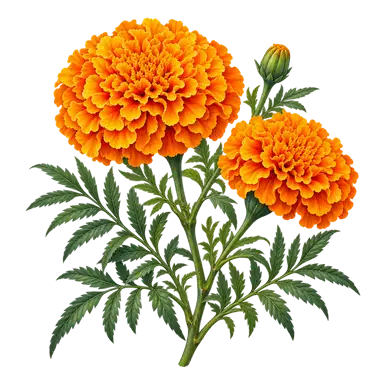
Mexico
Life, death and remembrance in Mexican commemorative celebrations.
In gifts: Held in Light
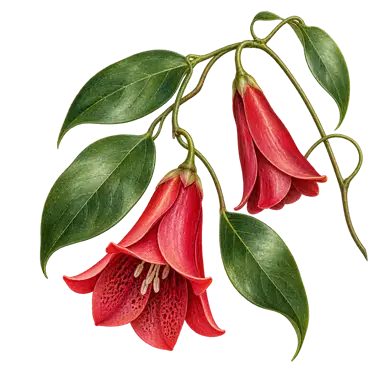
Chile
Government educational material connects it with joy, friendship and gratitude in Mapuche contexts; it is also Chile’s national flower.
In gifts: Side by Side
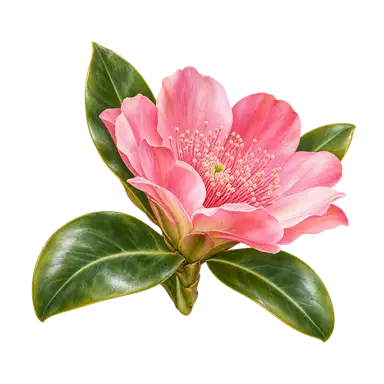
Dominican Republic
National natural identity and local distinctiveness; no traditional romantic meaning is verified.
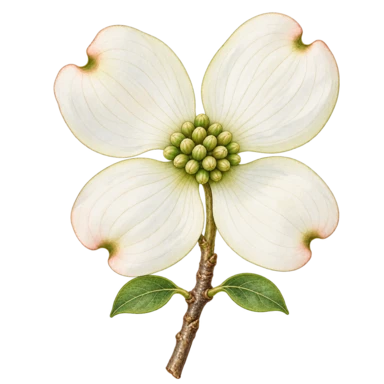
Eastern North America; cultivated elsewhere
Modern editorial interpretation: A contemporary image of making room around a smaller, easily overlooked center.
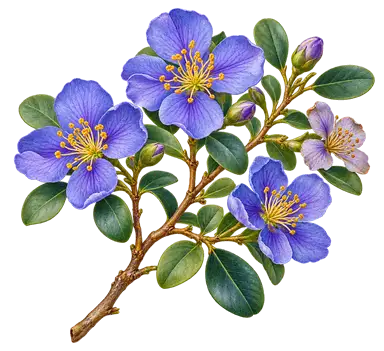
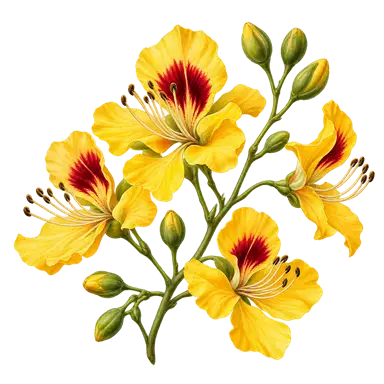
Brazil
Officially described as the national tree and a symbol of Brazilian history and identity; restoration and ecological responsibility are contemporary associations.
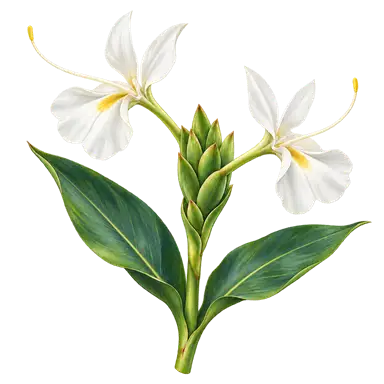
Cuba
Cuban national identity and memories of independence; official tourism material connects it with women carrying liberation messages.
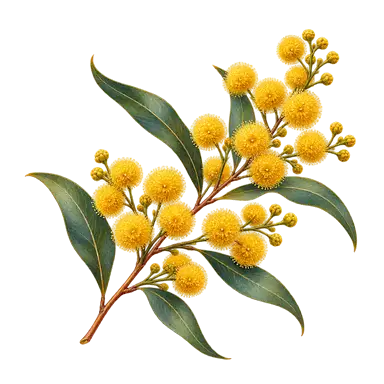
Australia
Government sources associate golden wattle with unity and resilience through adversity, as well as remembrance and reflection.
In gifts: Quiet Courage
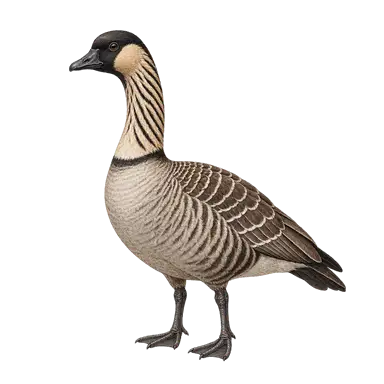
Hawaiʻi
Native biodiversity and conservation; companionship is a contemporary interpretation grounded in parenting behavior.
In gifts: Side by Side
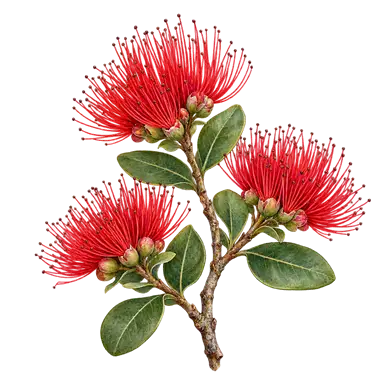
Hawaiʻi
Native forest relationships; lovers' symbolism belongs to attributed, varying narratives rather than one universal ancient meaning.
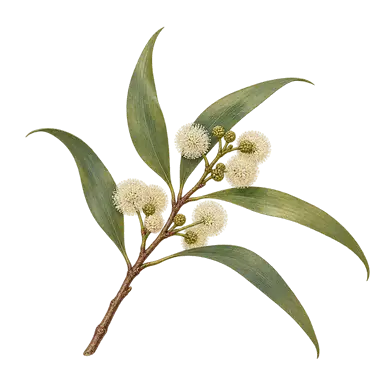
Hawaiʻi
Ocean connections and craft continuity, as editorial themes grounded in documented canoe-making use.
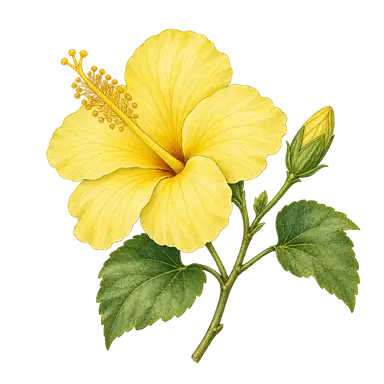
Hawaiʻi
Local identity through Hawaiʻi's official state flower; stewardship is an editorial theme rather than ancient flower language.

Cross-cultural
Ice-crystal growth; small differences and uniqueness are editorial metaphors.
In gifts: Little Dawn, Winter Lights
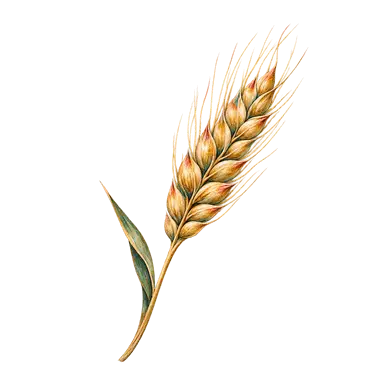
Cross-cultural
Food and agriculture; abundance, effort and harvest are editorial extensions.
In gifts: Golden Harvest, Harvest Table
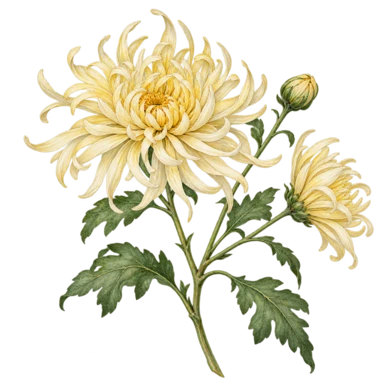
Long cultivation in East Asia and internationally
The Metropolitan Museum links chrysanthemum with autumn and longevity in Chinese decorative arts. This records a cultural association rather than a promise of longer life.
In gifts: Harvest Table

Cross-cultural
Lunar phases and cycles; rest, change and rhythm are editorial metaphors.
In gifts: Moonlit Pause

Cross-cultural
Love and care, including affection for partners, family and friends.
In gifts: Two in Bloom

Cross-cultural
Victory and honor; self-recognition is an editorial extension.
In gifts: Steady Ascent
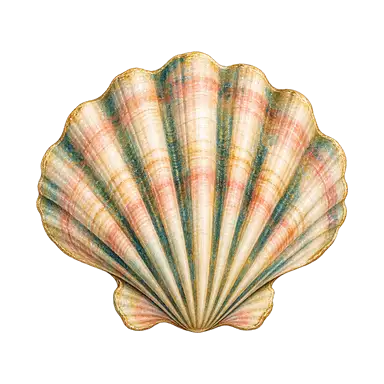
Cross-cultural
A natural shell, associated with pilgrimage in a specific tradition; a personal journey is an editorial extension.
In gifts: Homeward Tide
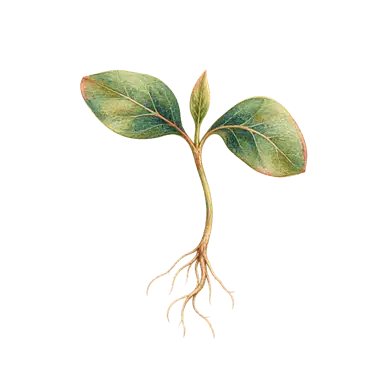
Cross-cultural
Germination and growth; new beginnings and patience are editorial metaphors.
In gifts: Little Dawn
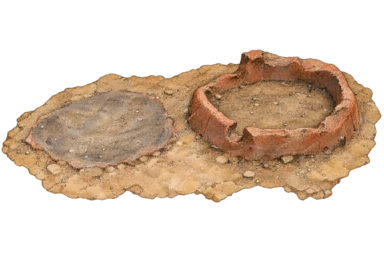
Al Zubarah, Qatar
The wider town’s residential remains and food-processing areas place everyday household work alongside the pearl trade. That site context does not identify the pictured tabun features as date presses, supply an operating recipe or imply an empty timeless desert.
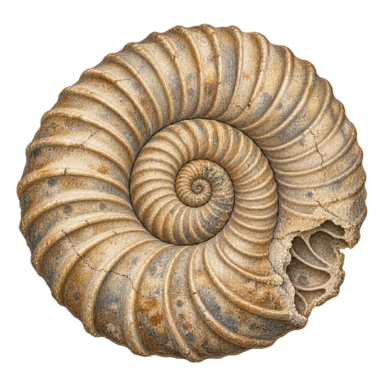
Fossils found worldwide
An editorial carrier for deep time and the traces a life leaves behind.
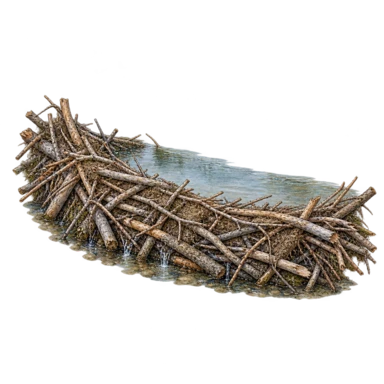
North American beaver habitat context; no particular site depicted
Modern editorial interpretation: An editorial image of making a place that can support more than its builder.

Cross-cultural
Interdependence between pollinators and people; cooperation and contribution are editorial metaphors.
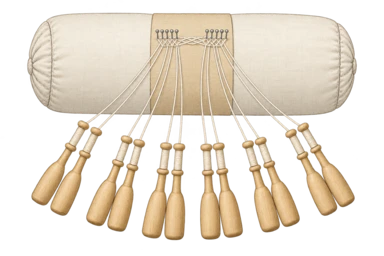
Ipswich, Massachusetts, United States; Smithsonian historical context
Smithsonian distinguishes Lakeman's surviving working pillow and later lace from a modern exhibition replica using a historical pattern. Both document a practice; neither is a template for this plain equipment study. The generic sample does not reproduce a regional pattern or attribute the drawing to a named maker.
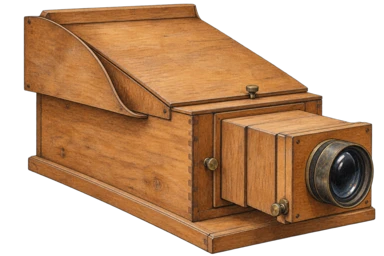
European optical-instrument history; Science Museum collection example
The documented function connects optical observation with drawing by hand. The chosen exterior keeps the internal mirror and top screen concealed, so their historical role is explained in words rather than reconstructed in the image.
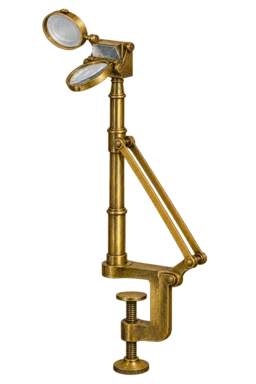
London, England; nineteenth-century optical drawing instrument
National Trust records the selected brass-and-glass example as NT 1525276, made in London during 1830–1850. The instrument connects close observation with drawing. Oxford’s circa-1820 camera lucida explains the optical principle; the Science Museum’s later cased example is a separate object with its own provenance.

British meteorological-instrument history / wider weather observation
Its documented association is the material history of weather observation and the limits of measurement.
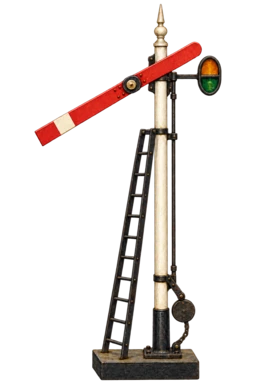
British railway design history represented by a Science Museum model
SMG accession 1912-76 is a model made around 1912 at a recorded scale of 1:16. It represents a historical Great Northern centre-pivot design. Museum discussion of failures and subsequent design changes is historical evidence, not a decorative origin myth or a claim about the safety of this image.
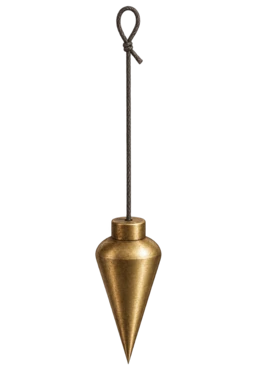
Building and surveying; gravity-based reference
Science Museum Group records a brass screw-cap bob dated 1900–1950. Museo Galileo explains the vertical reference in historic levels; only this principle is used. The chosen tool is not a sounding lead, pendulum clock, ritual object or Masonic arrangement.
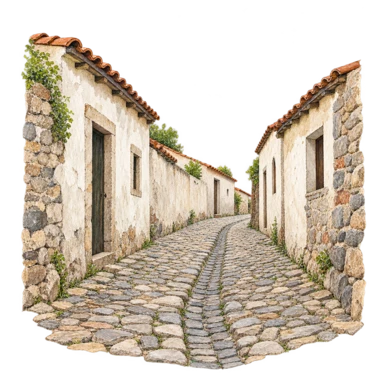
Historic Quarter of Colonia del Sacramento, Uruguay
The 2011 authors state that their assessments are their own, rather than an official position of the architects’ society hosting the report. UNESCO records the Portuguese colonial foundation in 1680 and subsequent contest with Spain; that date is not the beginning of regional human history. The new composition studies paving, drainage and low building scale without romanticizing colonial rule or claiming every visible feature is original.
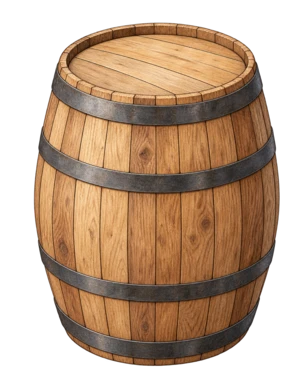
Cooperage; Colonial Williamsburg historical context
Cask is a broad historical container term; barrel also has capacity-specific uses. Four plain metal hoops are the selected configuration in this original study, not a universal historical rule or an exact Williamsburg object. The source's colonial tobacco-trade and enslaved-labor history remains part of the context.
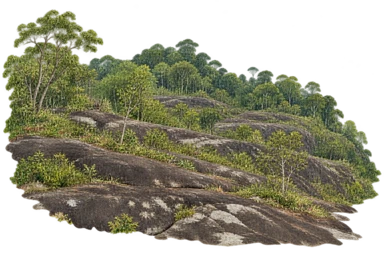
Dja Faunal Reserve, Cameroon
Baka communities are part of Dja’s living landscape. Their presence and agency are central to that context; this rock-and-forest study does not convey a traditional or sacred meaning or imply community endorsement.
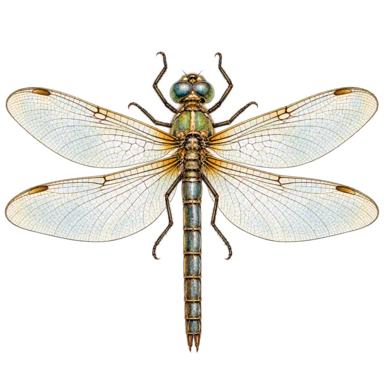
Freshwater-associated habitats on many continents
Modern editorial interpretation: A modern image of responding to change without losing direction.
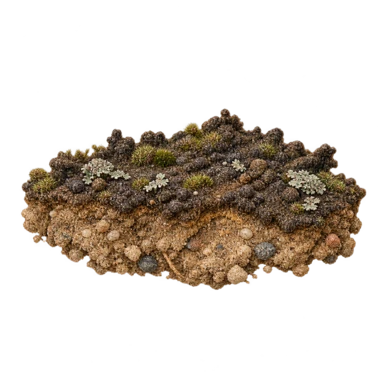
Dryland habitats; appearance inspired by Colorado Plateau examples
Modern editorial interpretation: A modern reminder that a surface that looks empty may be full of relationships.
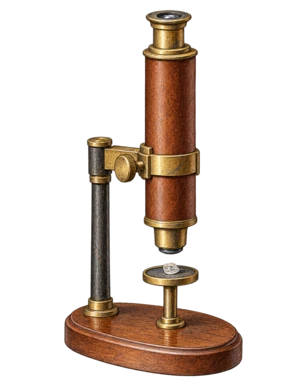
Early instrument-making; London historical context
The source record concerns a Hooke-designed museum instrument tentatively attributed to Christopher Cock. Its objective is a later replacement. This new plain form is a generic structural study, so it neither bears the maker’s name as provenance nor claims to show the instrument used for a specific discovery.

Historic measurement; Science Museum collection evidence
The source-specific association is material measurement and comparison. The collection accession is not used as a manufacture date. Fairness or careful judgment is a contemporary editorial reading here, not a claim that this particular instrument is a court, astrological or sacred emblem.
Metalwork across regions
Modern editorial interpretation: Delicate work can hold remarkable strength.
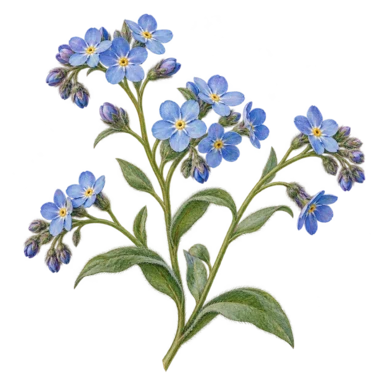
Woodland and garden settings; species cultivated widely
Royal Collection Trust identifies the forget-me-nots on Queen Victoria’s bracelet, catalogued as 1840, as signs of remembrance. The bracelet incorporates later additions; this is a bounded British sentimental-jewelry context.
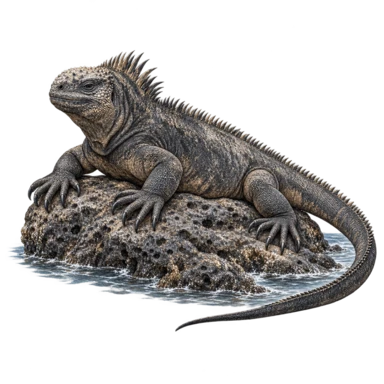
Galápagos Islands, Ecuador
The selected sources support a natural animal and habitat study, without attributing a cultural belief or human personality to the iguana. Galápagos includes resident communities and active conservation; the image makes no untouched-wilderness, animal-handling or conservation-success claim.
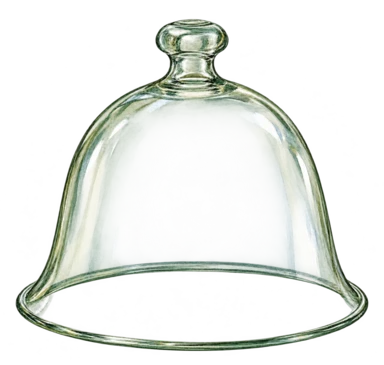
Cross-regional functional object; selected reference provenance is stated separately
The garden bell is a movable plant shelter whose use includes ventilation. This empty, open-bottom study leaves out the plant and lifting prop; its historical reference does not establish a universal invention date or place.
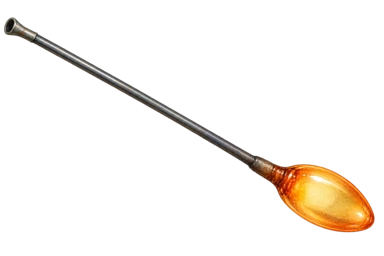
Glass-forming craft; geographically widespread tool
Corning’s technical definitions support the hollow pipe, mouthpiece, retaining hot end and inflation process. Museum of Glass photographs show a metal working support contacting advanced hot glass; they do not distinguish a hollow blowpipe from a punty. The artwork selects an unpatterned early forming moment and makes no regional exclusivity or handmade-object claim.
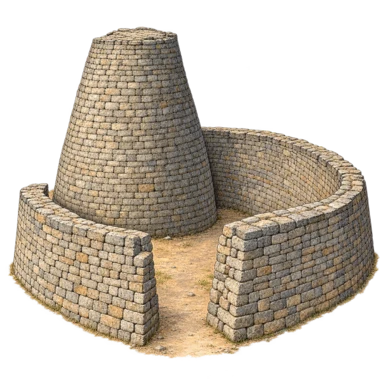
Near Masvingo, Zimbabwe
The wider archaeological site retains spiritual significance for contemporary communities. The tower’s specific purpose is not established by the selected sources; no fertility, granary, defensive or astronomical function is assigned to it. The drawing excludes sacred bird sculptures, ritual entrances, revered springs and community-associated decoration.
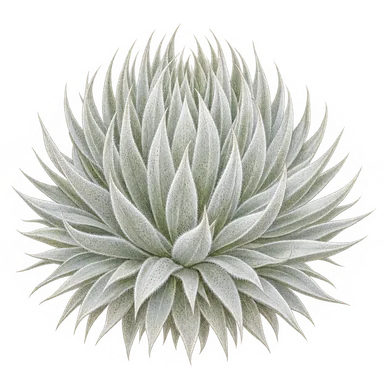
Maui, Hawaiʻi, United States
Modern editorial interpretation: Quiet resilience and care for irreplaceable places.
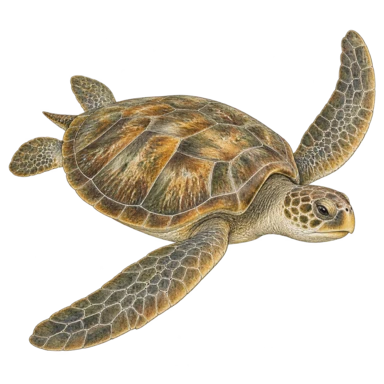
Tropical, subtropical and some temperate oceans
Modern editorial interpretation: A modern carrier for patient movement and care across a long journey.
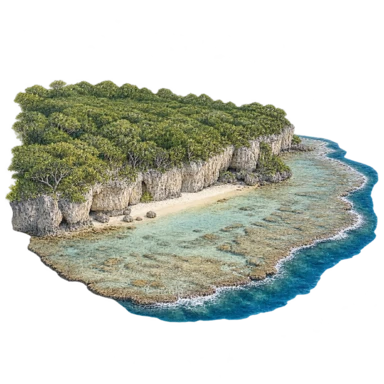
Henderson Island, Pitcairn Islands (United Kingdom)
The expedition report is its own account of a bounded cleanup and reuse effort, not independent proof that the island was restored or that all waste was removed. Earlier occupation and current Pitcairn stewardship remain part of the context. Pitcairn is a UK territory, not an additional sovereign state.
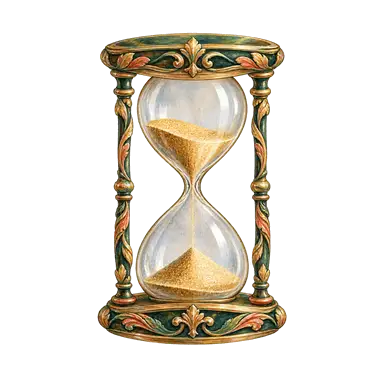
Cross-cultural
Measuring time; focus and appreciation of the present are editorial metaphors.
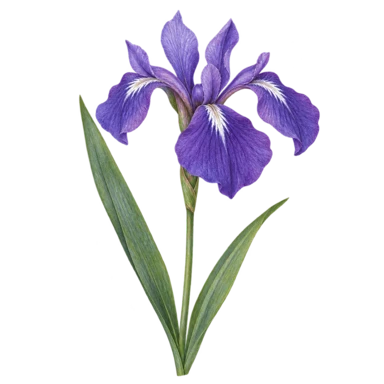
Temperate Asia; Japanese literary and artistic context
Nezu Museum explains a Tales of Ise episode in which a traveler sees kakitsubata at Yatsuhashi, remembers his wife in Kyoto and composes a poem. This is a particular literary association with affection across distance.
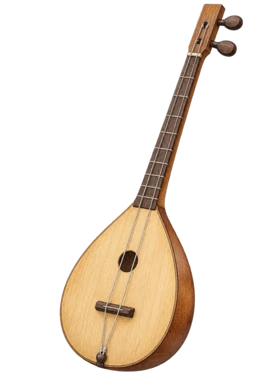
Kazakhstan; Dombra Kuy context
The living tradition includes performers, repertoire, stories and transmission. A plain instrument silhouette represents only the chosen equipment component. Exactly two strings and two pegs are selected; this does not deny historical or regional variants. Bridge-to-bottom-pin construction is supported by a supplementary owner-collection description, not asserted as universal.
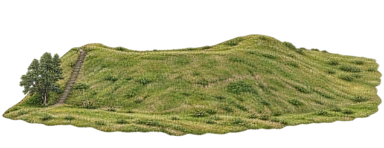
Kernavė Archaeological Site, Pajauta Valley beside the Neris, Lithuania
One named earthwork within a wider archaeological and living heritage landscape, interpreted through archaeological evidence and ongoing care, not through invented pagan or national-origin symbolism.
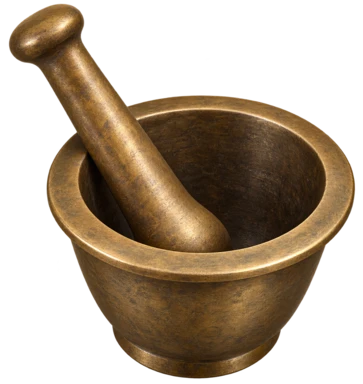
Widespread culinary tool; Spanish museum kitchen context
A separate Met brass example shows another form and retains a British-or-American attribution. Neither accession supplies the identity or decoration of the new artwork. Sacred, ceremonial, betel-specific and medicinal contexts are outside this selected ordinary-kitchen scope.
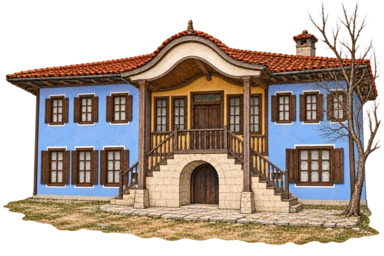
Koprivshtitsa, Bulgaria
The house-museum setting connects domestic architecture with the material life and trade-related prosperity of nineteenth-century households. This is a bounded context for Lyutov House, not a universal meaning of Bulgarian homes or a claim about the wearer.
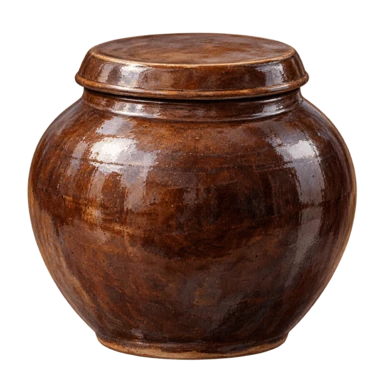
Korean household pottery traditions
Onggi storage jars have long been part of Korean food keeping, including the preparation and storage of fermented foods and condiments. This plain lidded form draws attention to the care carried by an everyday household vessel.
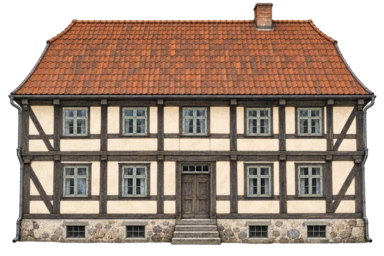
Kuldīga, Latvia
Municipal tourism identifies a former pharmacy and present residential use. Courland trade history also involved overseas colonial activity; craft exchange is not a claim of equal or benign colonial relations.
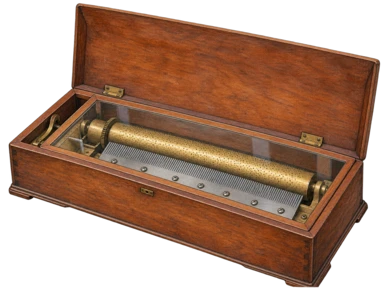
Switzerland; late nineteenth-century mechanical music-box type
Smithsonian identifies the source box as Swiss, made by an undetermined maker around 1880–1890 and activated by a lever-wound spring. Its collection credit is the Bequest of August Mencken. The separate Dorset music box described by Wessex Museums supplies mechanism context, without transferring its owner’s history, bells or decoration to this study.
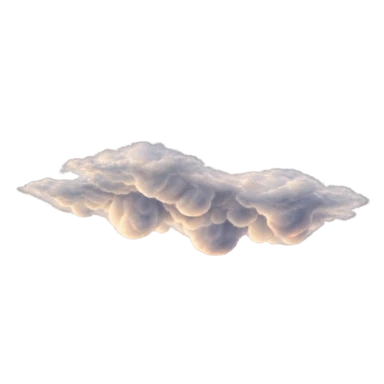
Atmospheric cloud formations in varied regions
Modern editorial interpretation: A contemporary image of looking again at a familiar sky.
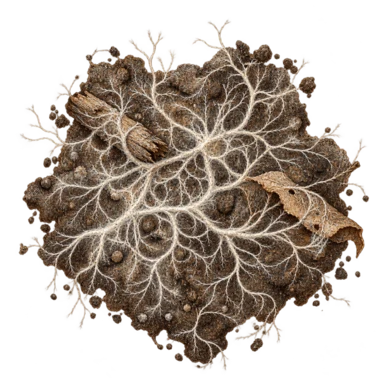
Soil, wood, and other substrates worldwide
Modern editorial interpretation: A modern image of quiet work and relationships that are important even when unseen.
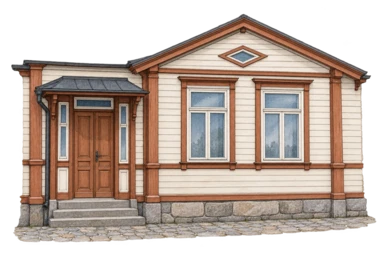
Old Rauma, Finland
Marela's shipowning household represents one social history within a town that also housed sailors and craft workers. This original image selects its public street-facing gable, paired windows and adjacent doorway as a wall-plane component. The building continues beyond the study; the drawing is neither a whole-house reconstruction nor a measured record of its present condition.

Northern Oman
UNESCO describes communal maintenance, gravity-fed channels and time-based allocation within the five inscribed systems. The social context is specific to these Omani landscapes, not a universal meaning of water.
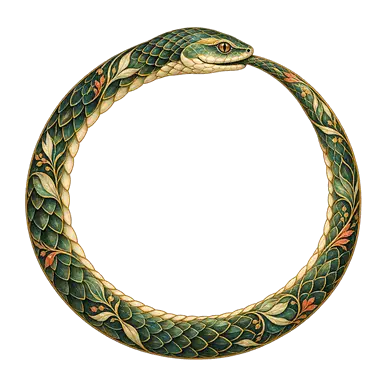
Cross-cultural
A snake holding its tail in a ring; cycles and fresh starts are editorial interpretations.
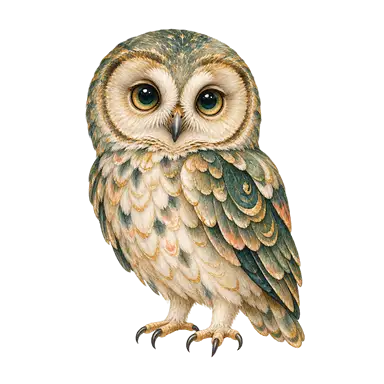
Cross-cultural
Wisdom in imagery associated with Athena; observation and learning are editorial extensions.
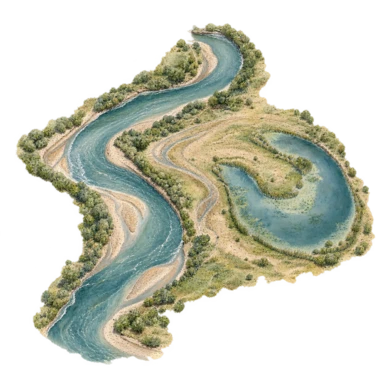
Low-gradient river floodplains worldwide
Modern editorial interpretation: A contemporary image of a new route coexisting with a trace of an earlier path.
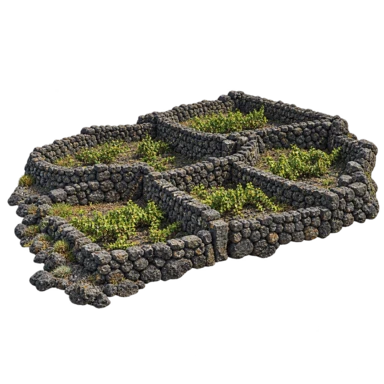
Pico Island, Azores, Portugal
UNESCO and Portuguese tourism sources locate the vineyard practice in the island's historic agricultural landscape, including Criação Velha and Santa Luzia. This is a living landscape maintained by growers; the wall pattern is functional rather than an invented sacred or national emblem.
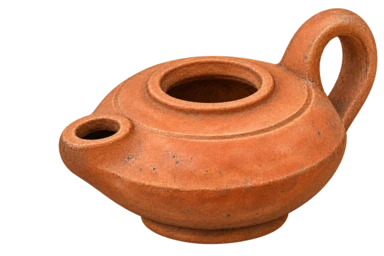
Ancient Mediterranean / Hellenistic museum context
The documented association is small-scale lighting technology and ceramic craftsmanship.
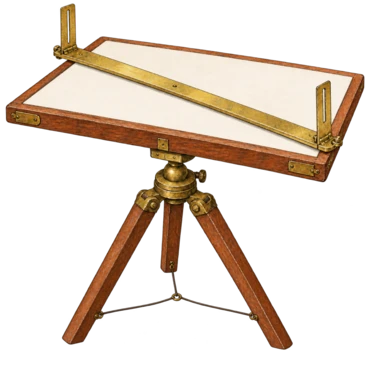
W. & S. Jones instrument-making context, London, 1801–1830
The named outfit is attributed to W. & S. Jones in London, 1801–1830. Its collection record separates original components from a modern sheet, a replica sleeve combined with an original ball-and-socket, and a separate museum-made display support.
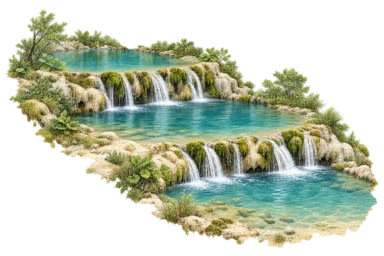
Plitvice Lakes National Park, Croatia
The park authority describes mosses, algae and bacteria as participants in tufa formation and stresses the material's vulnerability to damage. The two barriers and three pools in this image are a selected original composition of documented relationships. They do not map a named waterfall, count the park's lakes or describe current water conditions.
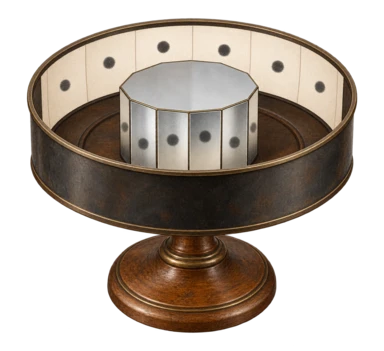
France; nineteenth-century optical-toy history
Twelve picture positions are a selected historical configuration, with one corresponding mirror for each position. This static drawing uses a new abstract sequence and does not reproduce a particular maker's toy or establish a tested working animation.
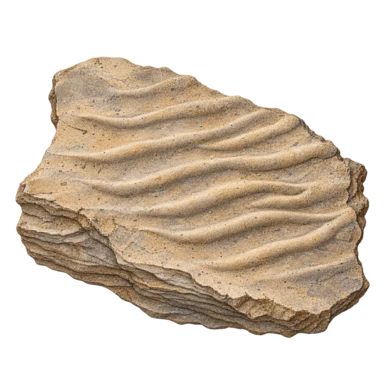
Former shallow-water sedimentary environments worldwide
Modern editorial interpretation: A modern image of motion leaving a still record.
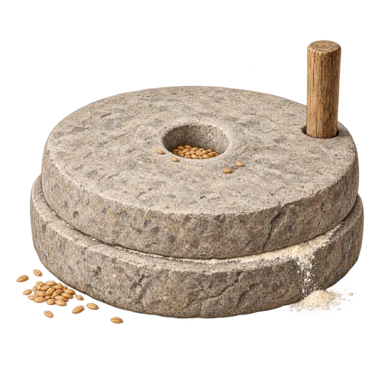
Household milling; Scottish museum evidence and wider use
The named Scottish finds ground the story in everyday food preparation. Museum of Cambridge describes regional forms and use beyond Britain; this is neither a uniquely Scottish invention claim nor a claim that one grain or household practice was universal.
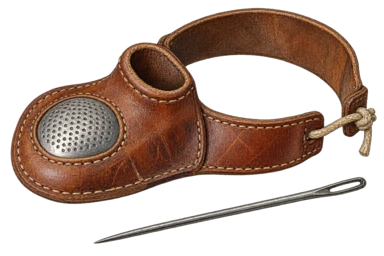
Transregional maritime work / examples documented in Australia and Britain
Its documented setting is the skilled repair and maintenance of water transport.
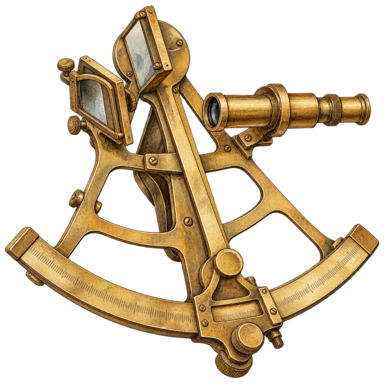
Celestial navigation
Modern editorial interpretation: A little perspective can reveal the next bearing.
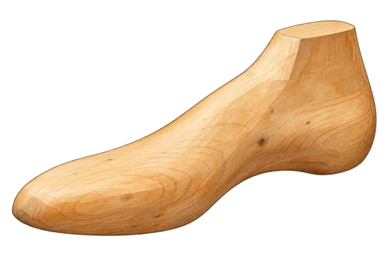
Shoemaking; V&A British bespoke-workshop context
The V&A account identifies Emiko Matsuda and Foster & Son as the workshop context. Their client forms and methods are attributed evidence, not the identity of this new object. This unmarked solid wooden type represents a forming tool without claiming a particular maker, shoe model, period or wearer's anatomy.
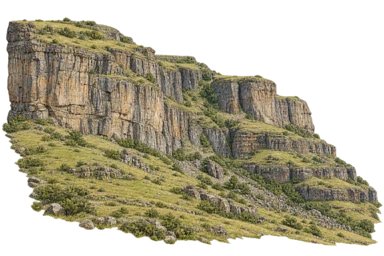
Eastern Africa / Ethiopia
The documented connection is between varied highland terrain, habitat and community-linked conservation.

Atmospheric ice-crystal optics around the Sun
Modern editorial interpretation: A contemporary image of a familiar light seen through a new medium.
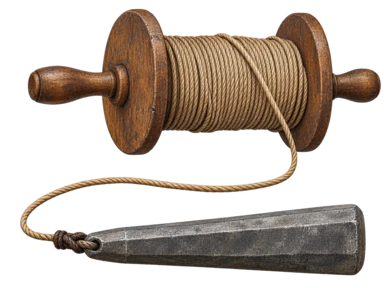
Historical maritime sounding type in Royal Museums Greenwich
The form is informed by NAV1898 in Royal Museums Greenwich, whose maker and making date are unknown. The museum’s separate Kelvite account places lead-and-line sounding before later mechanized equipment; that machine’s 1939 history is not assigned to this hand reel.

Cross-cultural
Visual rotation and unfolding; growth, reflection and gradual progress are editorial suggestions.
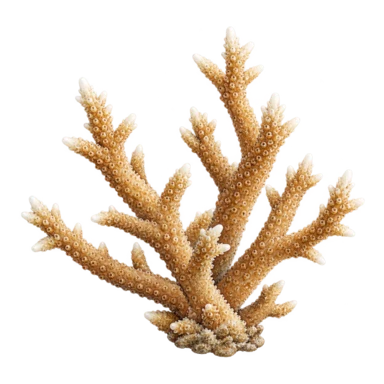
Caribbean and western Atlantic, including the Bahamas and Florida
Modern editorial interpretation: An editorial image of individual growth helping form shared shelter.
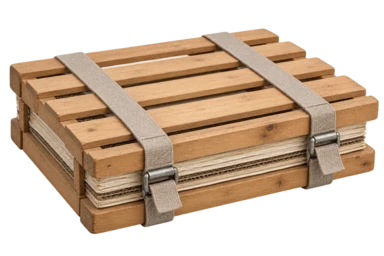
Cross-regional functional object; selected reference provenance is stated separately
A specimen label retains collection context even when the press is closed. No specimen or label is shown here, and actual plant collecting can require permits and landowner permission. The study connects recording with preservation without claiming a validated device.

Tiwai Island, Sierra Leone
The pygmy hippopotamus, Choeropsis liberiensis, lives in West Africa and is not endemic to Tiwai or the Gola forest. Compared with the common hippopotamus, it has relatively longer legs, less-webbed toes and lower-set eyes. This species-level study does not identify a particular wild or zoo animal, or imply a community belief about the species.
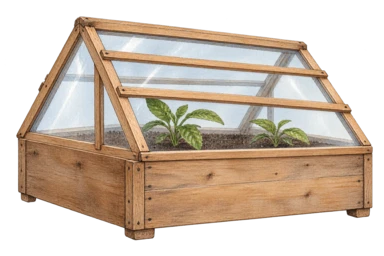
Britain and international botanical transport, including colonial Asia
The case is a plain historical shipping type, distinct from ornamental domestic terrariums and contemporary designer products. Its small illustrative shoots do not identify a crop or recreate a particular colonial shipment. Plant survival was not guaranteed, and the drawing supplies no horticultural or biosecurity instructions.
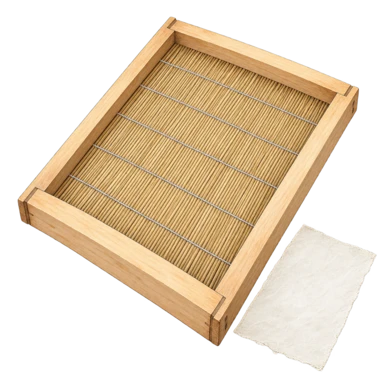
Mino, Gifu, Japan
The Japanese government's Mino interpretive sources describe the su screen and cypress keta frame. The story concerns one documented regional process within diverse living Japanese papermaking traditions; this digital drawing is not handmade washi.
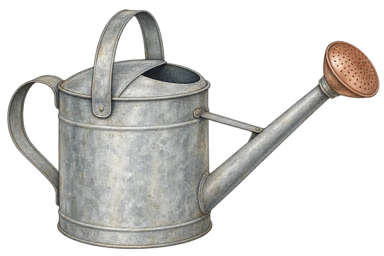
Cross-regional functional object; selected reference provenance is stated separately
The historical clay pot and photographed metal cans are different objects. This illustration selects a generic metal type; the private collection documents visible functional variations without establishing one worldwide origin or a single maker.
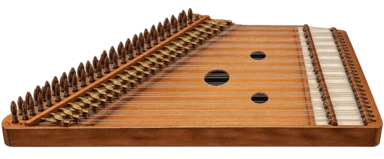
A plucked zither used across the Middle East, North Africa and parts of Asia; the inspected reference is nineteenth-century Turkish
Pitch adjustment within a particular instrument tradition; makam is not reduced to a Western scale or a generic symbol of harmony.
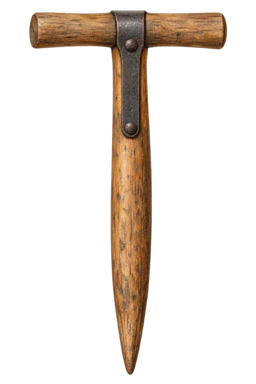
New York, United States; documented planting-tool type
Genesee Country Village & Museum records this wood-and-wrought-iron type as accession 91.34.1, associated with New York, without a making date. The Garden Museum’s small bronze pricking-out tool and Science Museum’s corn dibber are separate examples of planting work; their materials, dates and histories do not identify this specimen.
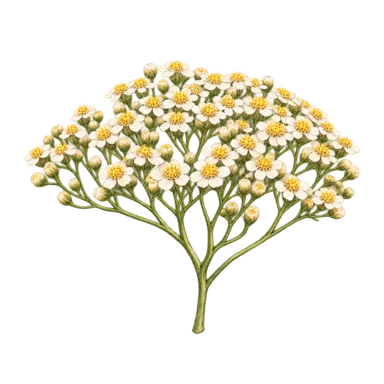
Temperate regions; species complex and local native status vary
North Carolina State University explains that the genus name recalls the mythological Achilles and a traditional story about treating battle wounds; the account is a naming legend, not verified medical efficacy.
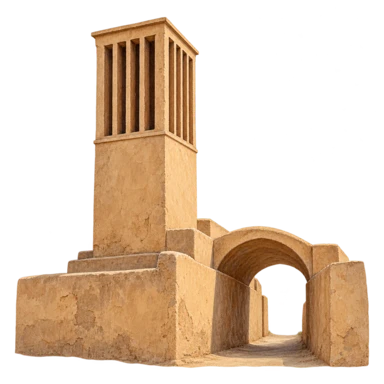
Yazd, Iran
Yazd remains an inhabited city. The conservation account concerns everyday architectural knowledge and ongoing care for earthen buildings. Qanats supply water underground and are distinct from windcatcher ventilation; neither system is reduced to a decorative emblem or a claim that all buildings work identically.
Ready-made designs composed from the symbols above, each with a free card explaining what they mean.

Peace & safe keeping
Olive branch · Anchor · Pingxi sky-lantern motif
A wish for steady days and a place to feel at ease.

Wellbeing & vitality
Five bats and longevity motif · Sun
A wish for good days, renewed energy, and room to grow.

Love & partnership
Mandarin ducks & lotus · Linked rings · Heart
A wish to keep choosing, growing, and making a life together.

Lasting friendship
Copihue flower · Krama checked weave · Nēnē
A wish for friendship that stays close through changing seasons.

Family & belonging
Tree · Qvevri vessel silhouette · Blown-glass-bead ornament
A wish for a family, however it is formed, to feel connected and welcome.

Gratitude & appreciation
Bojagi wrapping cloth · Agaseke basket
A small thank-you for care, generosity, or a thoughtful gesture.

Birthday joy
Peaches and bats blessings · Dahlia
A wish for a year of small joys, bright moments, and things to look forward to.

Career progress & achievement
Laurel wreath · Mountain · Sisserou parrot
A wish for meaningful progress, earned confidence, and work that matters.
More guides: Love & partnership · Family, home & belonging · New beginnings & hope · Luck, joy & celebration · Peace, calm & comfort · Strength & courage · Friendship & connection · Curiosity, creativity & wonder · Nature & the living world
Meanings are interpretive and vary by community and context. We show the documented meaning and its source — never a promise of any outcome.